Guided by Beacons, Steered by Sound
Set your bow toward confidence as we delve into coastal kayak navigation with lighthouse beacons and fog signals. We’ll blend practical techniques, mariner lore, and safety habits so you can interpret lights, count intervals in mist, and turn uncertainty into purposeful, calm decisions on dynamic shorelines. Share your questions and local lighthouse anecdotes to grow this paddling conversation together.

Reading the Coast’s Language

Light Characteristics Without Guesswork
Flashing, occulting, and isophase rhythms are not trivia; they are sentences written for mariners. Learn to translate color sectors, count precise intervals, and estimate nominal range while noting the reassuring “loom” that precedes visual contact. Mark these details on your chart, rehearse counts with a deck timer, and practice at dusk where misreads are forgiving. Confidence grows when your method is steady, repeatable, and calm.

Fog Signals That Speak in Intervals

Horns, bells, gongs, and whistles carry identity through timing. A low moan every thirty seconds or two short blasts each minute can confirm safe bearings when coastlines vanish. Sit still to listen, shield one ear from wind, and avoid instant assumptions about direction because sound refracts over water. Cross-check intervals with your charted notes, then advance deliberately, pausing often to verify that the rhythm remains consistent.

Charts, Lists, and Tools Working Together
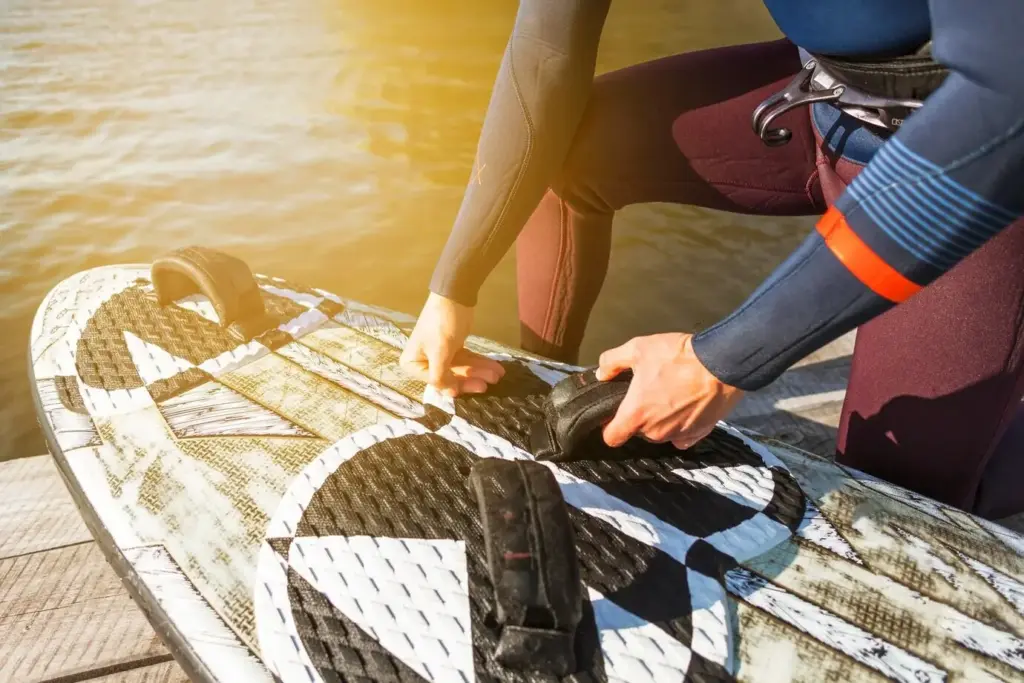
Paper charts, a compass you trust, and an updated light list form a resilient trio when batteries fail or screens fog. Pre-highlight lighthouse characteristics, annotate fog signal intervals, and download offline tiles as backup. A waterproof deck timer supports accurate counts, while a red-filter headlamp preserves night vision. Together, these tools transform scattered information into a coherent picture that steadies judgment under pressure and keeps decisions repeatable.

Tide, Current, and Range of Lights

Slack water may shorten struggles while amplifying confidence near reefs and bars. Plot set and drift, anticipate ebb jets around points, and use transits to reveal sideways motion you cannot feel. Remember that haze and sea spray reduce the apparent range of lights, tempting premature conclusions. Build cushions into schedules, align legs with favorable flow, and keep alternates ready when timing or visibility diverges from forecasts.

Fog Forecasts and Local Clues

Marine layers, advection fog, and nocturnal cooling produce distinct patterns observable in wind shifts, temperature drops, and scent changes. Compare dew point spreads with buoy data, check nearshore webcams, and note how distant surf noise sharpens as visibility contracts. Fishermen’s radio chatter often hints at harbor conditions. If horizons vanish, shorten legs, hug coastline contours, and pause to reassess rather than forcing a plan that weather has already vetoed.

Using Ranges, Transits, and Sector Lines
Choose a distant lighthouse with a cliff edge, stack them into a transit, and paddle to keep that alignment steady. If a colored sector warns of hazards, hold your track within the safer shade. Small ferry angles defeat crossflow without elaborate calculations. Each minute, glance to confirm alignment persists, then correct lightly. This simple discipline counters drift silently accumulating while conversation, chop, and curiosity distract your attention.

Counting Seconds, Measuring Distance

Tie your paddle cadence to a predictable cruising speed measured on a clear day. In fog, count your strokes and horn intervals, then translate time into distance using the simple speed-times-time relationship. Mark these estimates on your chart, confirm with another light or sound, and adjust confidently. This practical rhythm curbs guesswork, supports teamwork, and keeps everyone oriented, even when GPS briefly falters or compass bubbles demand patient tapping.

Being Seen and Heard Among Rocks and Shipping
Communication That Reaches the Right Ears

A floating, DSC-capable handheld VHF with a registered MMSI can summon help decisively. Monitor channel 16, switch to working channels when directed, and keep transmissions concise and calm. Practice Sécurité wording for low-visibility crossings. Carry spare power and a second whistle for redundancy. Before launching, confirm local channel usage with harbormasters, and agree on call-signs so partners recognize each other quickly when voices distort through wind and spray.

Visibility When the World Turns Gray

High-visibility PFDs, reflective deck lines, and clean, focused beams help vessels spot you without mistaking you for an aid to navigation. Reserve white strobes for distress, use steady deck lights to mark position, and avoid patterns that mimic lighthouses. Keep lenses dry with a small cloth, and position lights to minimize glare off wet decks. The goal is unmistakable presence, not brilliance that blinds you during crucial compass checks.

Group Protocols That Reduce Risk

Set spacing so each paddler remains both visible and audible, with a designated lead on compass and a sweep guarding the rear. Agree to pause every minute in thicker fog for listening checks and head counts. Use simple whistle codes and redundant hand signals for moments when wind steals voices. Rehearse these routines ashore, then debrief afterward so your next outing benefits from collective lessons and respectful candor.

Lessons Written in Mist and Light

Experience shapes judgment faster than perfect theory. These true-to-water stories show how patience, counting, and small course corrections prevented bigger problems. Notice the common threads: humble reassessments, clear communication, and a willingness to wait when conditions say wait. As you read, imagine your shoreline, your tides, and your partnerships, then share your reflections so other paddlers learn from your successes and near-misses alike.

The Night the Horn Taught Patience

A paddler miscounted a thirty-second horn, convinced the beacon was off to starboard. Doubt crept in, strokes quickened, and conversation faded. The group stopped, reset the count together, and confirmed the sound was actually ahead. They shortened the crossing, slid into a sheltered cove, and waited out the thickest bank. Lesson learned: breathe, verify, and let a single reliable signal lead the next conservative decision.

A Loom Across the Bar

Before the light itself appeared, a soft glow smeared the cloud ceiling like a promise. That faint loom suggested proximity to the harbor bar, closer than the charted distance implied under heavy mist. Rather than push through confused breakers on a dropping tide, the team hovered behind kelp, sipping warm tea and chatting with a returning fisherman on VHF. Slack arrived, the bar calmed, and entry felt wonderfully uneventful.

From Drifting to Deliberate

A pair of paddlers kept missing a narrow gap between rocks during ebb. They aligned a buoy and a notch in the cliff as a transit, spotted the sideways slide, and added a modest ferry angle. Progress looked slower but plotted true. After landing, they sketched the sequence in a logbook and invited comments from friends. Their next attempt needed fewer corrections, and confidence replaced nervous laughter with quiet smiles.

Practice Sessions to Build Confident Paddling Judgment

Dusk Drills with Known Lights
Choose a familiar lighthouse or pier light and rehearse reading its character from increasing distances. Count intervals aloud, note sector transitions, and plot bearings. Keep speeds deliberately slow to prioritize observation over mileage. Rotate leadership so everyone practices calling minor corrections. Finish with a quick debrief, capturing misreads and wins in a shared log. These calm repetitions build competence that transfers directly to fog and moonlit crossings.

Fog Simulation with Eyes and Ears

In a sheltered cove, limit vision using a cap brim or hood while a partner provides timed whistle blasts or portable horn intervals. Navigate short legs purely by sound and compass, pausing frequently to reassess. Swap roles, then add gentle current to raise the challenge. Record guesses before revealing positions to turn mistakes into memorable teaching moments. Safety boat or shoreline observers keep the exercise structured and respectful of limits.

Night Crossing with Exit Strategy

Plan a brief, well-known crossing under clear skies, mapping multiple bailouts and setting conservative visibility thresholds. Use steady kayak lights, preserve night vision, and track progress with bearings, intervals, and soft-voiced radio checks. Treat any uncertainty as a cue to pause rather than push. After landing, note what you would change and invite readers to share alternative drills. Consistent reflection turns isolated outings into a reliable library of judgment.
Tukefolimilekezoze
Privacy Overview

This website uses cookies so that we can provide you with the best user experience possible. Cookie information is stored in your browser and performs functions such as recognising you when you return to our website and helping our team to understand which sections of the website you find most interesting and useful.