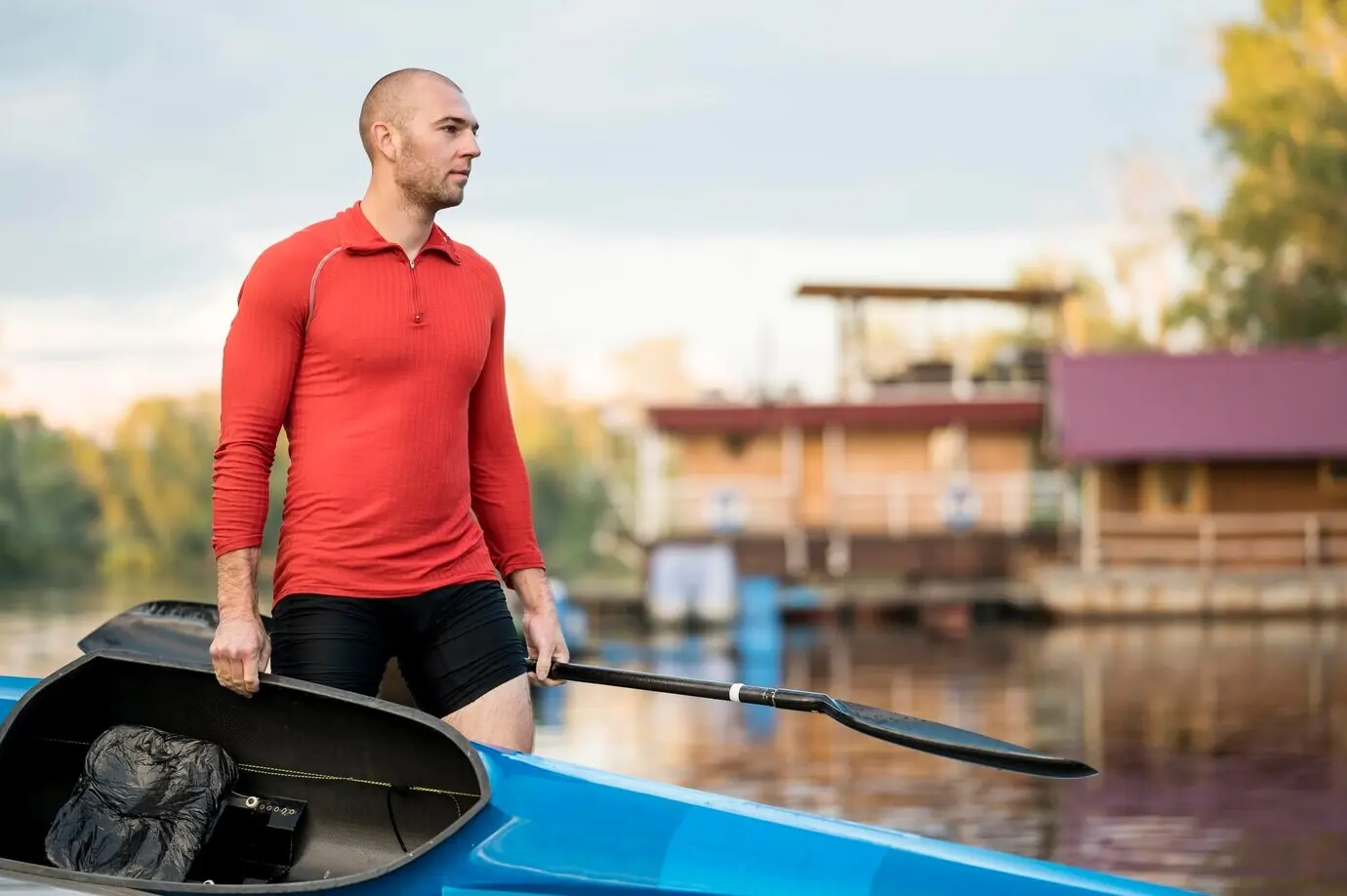
Paddle Between Beacons: Lighthouse-to-Lighthouse Kayak Trails

Today we set our bows toward Lighthouse-to-Lighthouse Kayak Trails, linking storied beacons by paddle power and curiosity. Expect practical route planning, safety wisdom, and soulful histories, plus wildlife guidance and photo tips, so your crossings feel purposeful, respectful, and unforgettable. Share your coastal questions and favorite lights—we’re listening.

Charting Coastal Routes

Linking one light to the next requires more than enthusiasm; it asks for honest assessments of wind, swell, and daylight, careful study of charts, and flexible turn-around points. We’ll walk through coastal features, ferry lanes, and contingency landings so you can design passages that balance ambition with safety, celebrate shoreline character, and still leave room for spontaneous beachcombing, lighthouse tours, and hot chowder when the tide and your smile both say it’s time.

Reading Charts and Light Lists

Paper charts reveal shoals and ranges that smartphone screens flatten, while Light Lists explain focal heights, flashes, and fog signals that help you confirm position when landmarks blur. Practice triangulating with a compass, then verify with GPS, so your confidence grows and your contingency planning feels calm.
Tides, Currents, and Timing

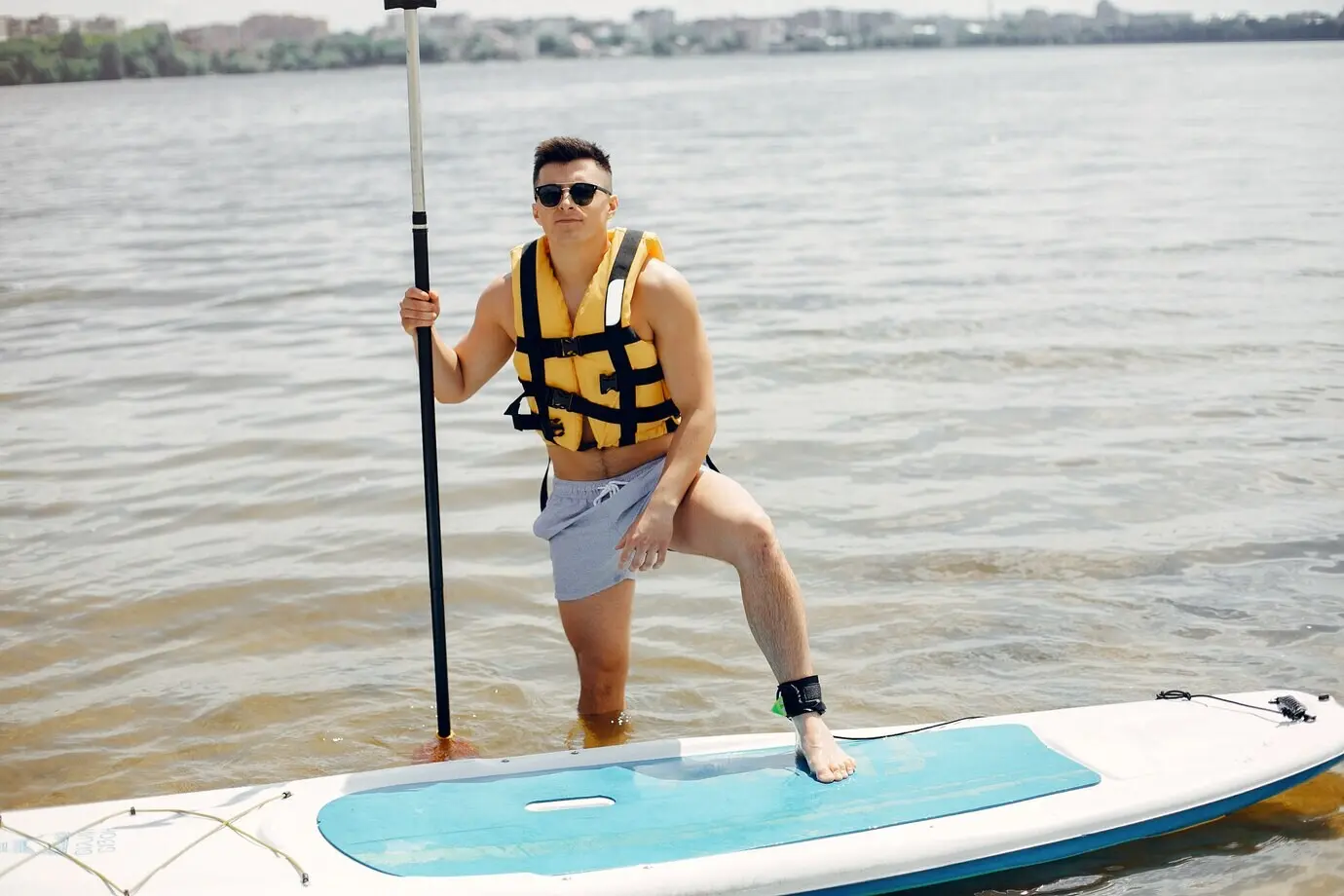
Slack water rarely aligns with lunch plans, so build generous windows and paddle with assist rather than pride. Note ebb and flood directions around headlands, study constrictions that accelerate flow, and set turnaround times everyone respects. Perfect timing adds ease, margin, and smiles to ambitious crossings.
Launch Sites and Landings

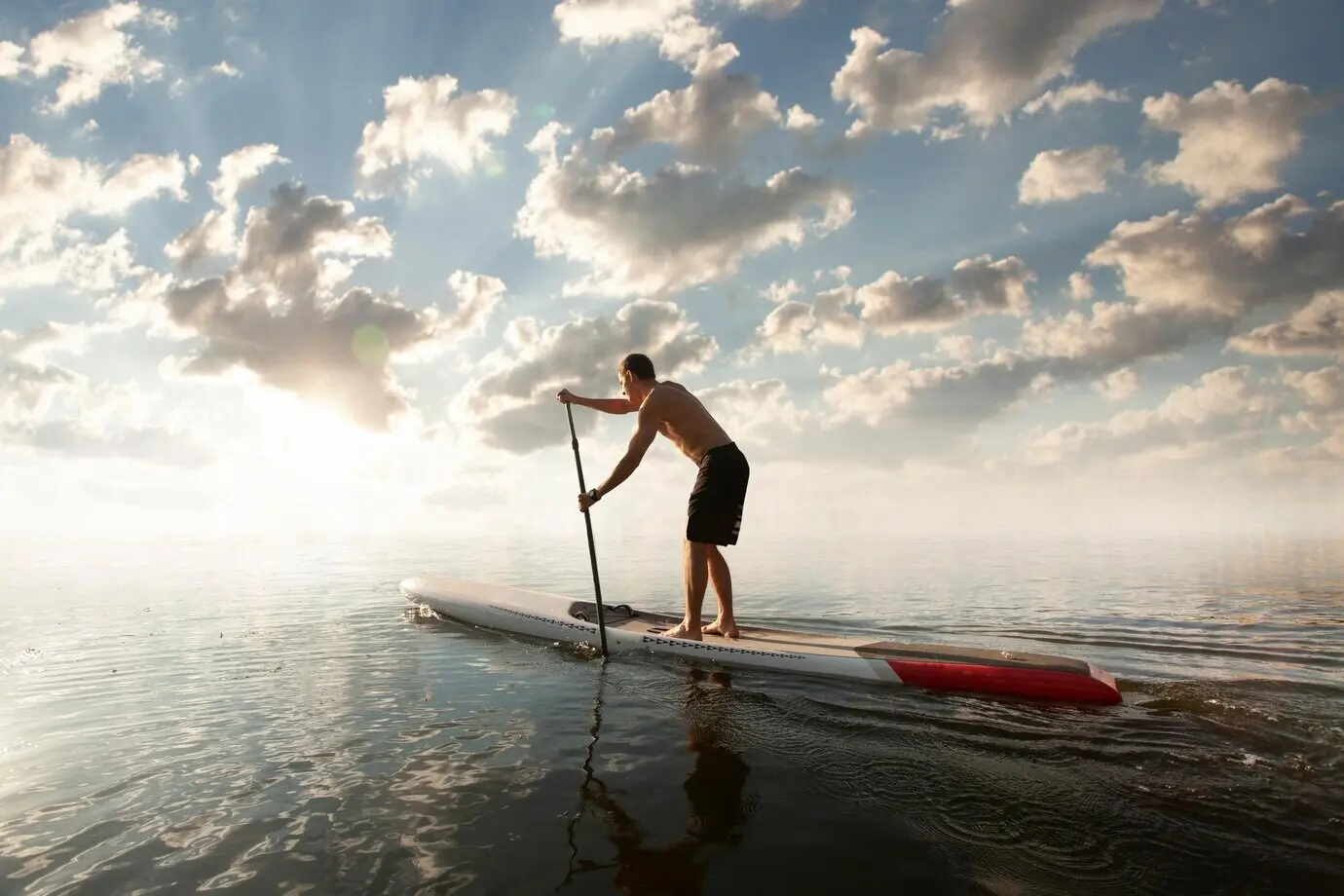
Harbors shelter novice starts, but surf beaches can complicate returns, especially as winds shift onshore. Scout parking, restrooms, and legal access, then identify backup take-outs every few miles. Respect private property, nesting closures, and working wharves, leaving waterways friendlier after each salty, satisfied landing.

Safety First on Open Water

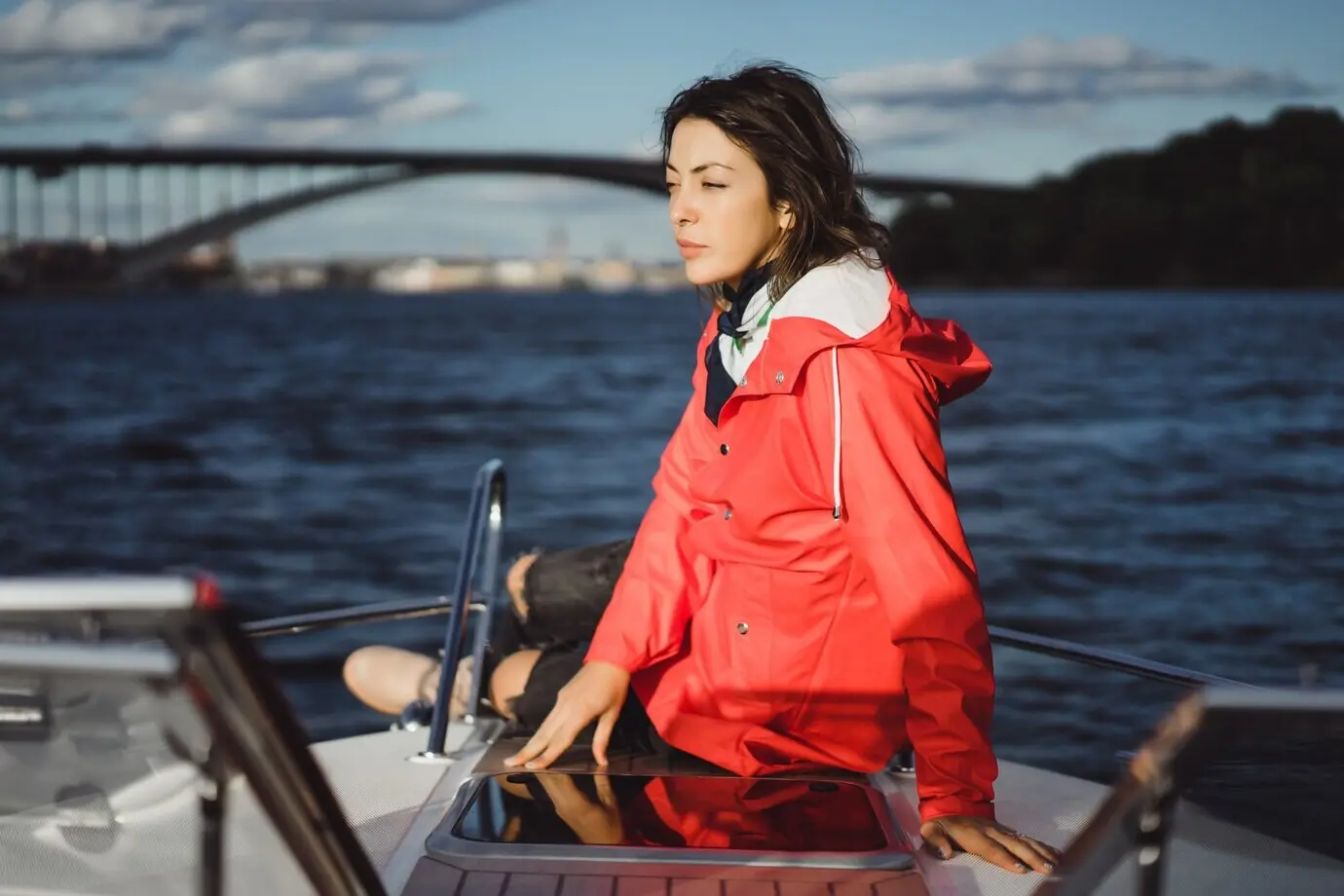
Between beacons, exposure increases quickly; fog can erase horizons, and cold water punishes hesitation. We’ll unpack layered clothing, float plans, and group spacing, plus risk assessments that adapt as conditions evolve. When judgment leads, skills shine, radios speak clearly, and rescue practice becomes reassuring habit.

Essential Gear That Truly Matters

A reliable drysuit or wetsuit, well-fitted PFD, spare paddle, tow system, and compact repair kit change outcomes more than fancy gadgets. Pack thermal layers, nutrition, and hot drinks, then test everything in rough water. Confidence grows when equipment matches conditions and decisions remain unhurried.

Communication and Navigation Redundancy

Carry a DSC-enabled VHF on your PFD, plus whistle, mirror, and spare light. Redundant navigation—a deck compass, paper chart, and waypointed GPS—protects against battery failures and wet screens. Establish call signs, hand signals, and buddy checks before launch, so coordination feels effortless when swells distract.

Fog, Swell, and Cold-Water Strategies

When haze thickens, tighten group spacing, steer by bearing, and announce turns clearly. In swell, angle across crests, surf conservatively, and avoid reflected clapotis near rock walls. Cold water demands head protection, reentry drills, and realistic go/no-go decisions made without ego or apology.

Stories Carried by the Beam

Every light marks shipwrecks avoided and storms endured, and paddlers inherit those narratives with each crossing. We’ll share keeper lore, community rescues, and our own quiet dawns beneath rotating lenses, reminding us that human courage and coastal humility still coexist whenever a beacon turns.

A Night Near Portland Head Light

A fogbank rolled in so fast our shoreline vanished, yet the horn’s cadence steadied nerves while our compasses kept headings true. We hugged the swell shadow, paused for bearings, and landed grinning at twilight, grateful for training, teamwork, and that reassuring rhythm through mist.

Keeper Legends that Guide Modern Paddlers

Stories of families hauling fuel up icy stairs remind us to safeguard our own energy and respect limits. Their diligence inspires checklists, shared chores, and early starts that leave room for the unexpected, honoring resilience by paddling prepared, unhurried, and attentive to each other.

Local Voices, Indigenous Waters

Many routes cross traditional waters where stories predate any masonry tower. Listen to local leaders, pronounce place names with care, and seek permission where appropriate. Respectful curiosity deepens journeys, transforming a sporty objective into a relationship with coastlines, languages, and living cultures still thriving.

Seabird Colonies and Buffer Zones

During nesting season, even a curious glance can launch a panicked flush that wastes precious energy. Give colonies wide berths, lower voices, and stow cameras until you’re far enough away. Mark no-go cliffs on charts, and choose longer routes to protect chicks and parents.

Seal Haul-Outs and Quiet Approaches

Haul-out rocks look inviting for snacks, yet sudden landings scatter resting animals. Drift with paddles low, maintain distance, and avoid splitting groups through the herd. If heads pop and splash away, you’re too close; back off gently and celebrate encounters from respectful space.

Packing Out and Shore Etiquette

Remote beaches can feel untouched because someone carried everything out before you. Follow that generous example by packing microtrash, dismantling cairns, and stepping below wrack lines. Offer friendly explanations when asked, and model habits that keep access open while ecosystems remain lively.

Planning Your First Beacon-to-Beacon Day

Ambition is welcome; surprise is not. We’ll share sample distances, shuttle options, and pacing that invites joy rather than struggle. Include training sessions, swim practice, and weather briefings, then invite friends who communicate well. The right companions and preparation amplify beauty without draining reserves.

A Gentle Morning Along the Bay

Begin with an outgoing tide that eases you toward a sheltered light, then return with a mild flood. Keep crossings short, practice on-water snacks, and debrief ashore. Small wins build lasting confidence, turning curiosity into habit and opening doors to bolder horizons.

Intermediate Crossing with Tidal Assist

Choose a route that angles with the ebb, plans for set and drift, and finishes in protected water. Attach a safety buffer to daylight, share roles clearly, and rehearse rescues before leaving harbor. Satisfaction grows when teamwork and timing feel seamless and strong.

Building Fitness and Skills Week by Week

Alternate technique sessions with stability drills, then add distance steadily. Practice edging, bracing, and downwind control in manageable conditions, tracking progress in a simple journal. When your body, boat, and brain agree, coastal miles pass gently, and curiosity points happily toward the next light.

Framing Light, Water, and Stone

Compose with the horizon level, pilot your bow as a leading line, and wait for a wave’s glitter to echo the lens flare from the beacon. Bracket exposures, shoot RAW, and edit gently so memory and truth row in the same direction.

Protecting Gear Without Missing Moments

Use a small deck pod with desiccant packs, tether everything with short leashes, and practice one-handed operations while bracing. Keep lens cloths handy, purge salt often, and accept a few droplets as honest texture rather than obstacles that keep stories hidden.

Community and Conservation

{{SECTION_SUBTITLE}}

Join a Local Paddling Group

Clubs offer vetted trip leaders, skills nights, and a pool of partners who share transport, beta, and chocolate. Attend meetings, introduce yourself, and volunteer early. Belonging accelerates learning and creates friendships that weather gales, fogbanks, and bluebird days with equal laughter.

Support Keepers of the Lights

Historical societies maintain lenses, masonry, and public access, often on lean budgets. Memberships, work days, and respectful visits help protect fragile structures while deepening your connection to coastal heritage. Consider donating photos or stories that inspire future caretakers to continue resilient stewardship.
Tukefolimilekezoze
Privacy Overview

This website uses cookies so that we can provide you with the best user experience possible. Cookie information is stored in your browser and performs functions such as recognising you when you return to our website and helping our team to understand which sections of the website you find most interesting and useful.