Paddling Where Beacons Meet the Wild Coast
Today we explore coastal wildlife encounters around lighthouse headlands for sea kayakers, celebrating that thrilling meeting point where history, currents, and creatures converge. Expect practical guidance, stirring stories, and respectful practices that let you glide past seals, seabirds, and occasionally whales, while staying safe in shifting winds, refracting swell, and the mesmerizing turbulence that surrounds wave-battered points crowned by steadfast lights.

Understanding Headland Ecosystems from the Cockpit
Headlands act like underwater architects, shaping currents that lift nutrients and gather baitfish, which in turn invite birds, seals, and larger predators. From a kayak you feel this living architecture directly: the push of an eddyline, the cool breath of upwelling, and the way kelp forests cradle shelter and abundance just beyond the lighthouse’s rocky apron.
Reading Water and Weather near Beacons
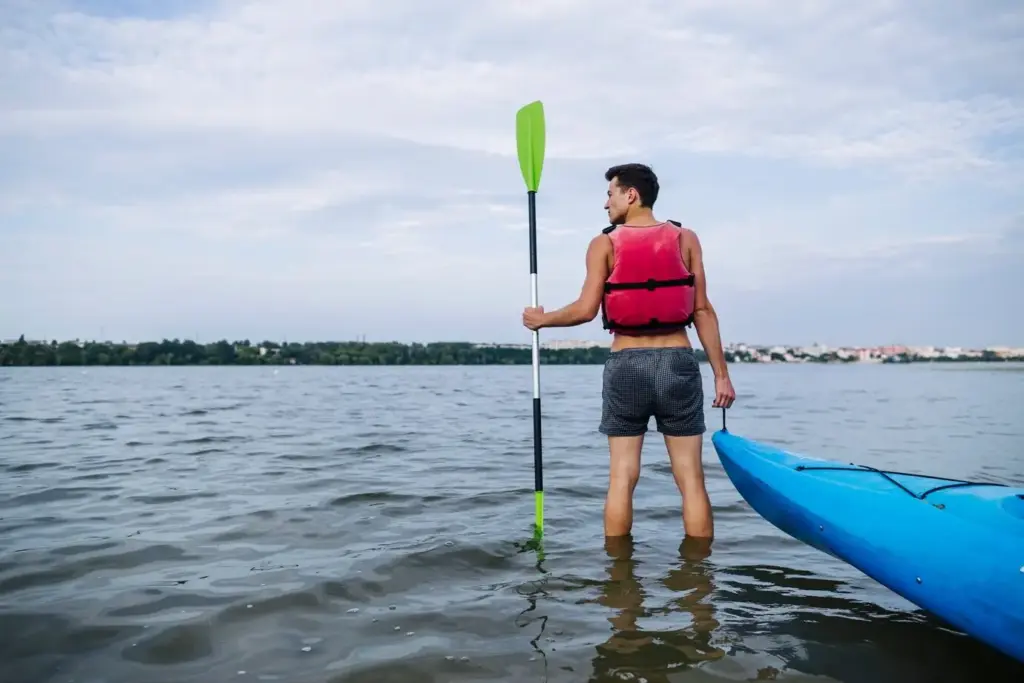
Lighthouse headlands concentrate energy. Tides squeeze, winds curve around cliffs, and swell refracts into complicated patterns that demand attention. By interpreting rips, clapotis, and wind shadows, you can position your kayak for stable viewing, safe passage, and serene wildlife moments, rather than battling confused water where distractions might eclipse your best decision-making and reactions.
Wildlife Encounters with Respect and Safety
Meaningful encounters come from patience and considerate spacing. Let animals choose your proximity by holding position outside their reaction bubble, where breathing patterns, head turns, and vocalizations remain calm and unaltered. Know local guidelines on distances, and prioritize quiet observation over pursuit, ensuring your memories grow from trustful coexistence rather than fleeting, pressured moments.
Seals and Sea Lions
Pinnipeds rest on rocks near many lighthouse bases, especially at low tides. When curious faces pop up, resist paddling closer; their approach should be their decision. Watch for agitation signals—splashes and vocalizations—then increase distance. A slow drift with a parallel course respects their space while allowing you to read social dynamics, pup care, and deft underwater movements.
Seabirds on the Ledge
Breeding colonies are sensitive to disturbance. If birds lift simultaneously, you are too close. Use shoreline features as invisible buffers and avoid landing near nests or roosts. Long lenses and binoculars help you appreciate subtle details—preening signals, courtship gestures, and intricate feeding lines—without intruding on precarious ledges that their survival depends upon season after season.
Cetaceans Along the Migration Paths
Around prominent points, migrating gray whales, humpbacks, or dolphins may surface on rich feeding lanes. Keep your direction predictable and speed steady, giving them room to pass. Avoid encirclement from multiple kayaks and let the encounter develop naturally. The gentler your presence, the longer animals linger, unveiling blows, flukes, and coordinated foraging patterns that reward patient observation.
Seasonal Windows and Best Times to Paddle
Wildlife presence shifts with plankton blooms, baitfish cycles, and nesting calendars. Planning trips to match seasonal rhythms increases the chance of meaningful sightings and calmer seas. Check local logs, tides, and daylight alongside migration reports. Aligning your paddles with these cycles transforms ordinary circuits into living field lessons guided by the coast’s own calendar.
Spring Bounty
As days lengthen, nutrient pulses ignite food chains. Expect energetic birds, hungry pinnipeds, and first sightings of migratory whales near headlands. Spring also brings variable weather, so build conservative margins. Choose windows with manageable swell, and treat each crossing around lighthouse points as both a wildlife opportunity and a skills refresher, reinforcing safety habits before summer crowds arrive.
Summer Nursery
Quiet coves near points can shelter youngsters learning life’s first lessons. Respect distance more than ever, because fledglings and pups are vulnerable to disturbance. Early mornings often offer calmer winds and fewer boats, helping you maintain tranquil observation lines. Let soft strokes, muted colors, and low voices support their development while you savor gentle, sunlit cliffside drifts.
Autumn and Winter Spectacle
Cooler months bring powerful scenes: storm-lifted nutrients, dramatic swells, and migrating birds stacked along headland flyways. Plan cautiously with redundancy in clothing, lights, and communication. When conditions stabilize, rewards include crisp visibility and fewer craft competing for space. Your journal entries grow richer, tracing changing currents, new arrivals, and the lighthouse glowing through early twilight crossings.
Stories from the Lantern Room to the Launch
Lighthouses hold memory in stone and glass, while the surrounding waters collect your own stories with each paddle stroke. Personal narratives help decode cautionary tales and celebrate quiet triumphs. Share them, and let shared experiences guide newcomers toward kinder approaches, safer lines, and deeper listening for wildlife voices woven into the wind and swell.
A soft, milky light spread across the water as porpoises stitched silver arcs beyond the reef. I paused just outside the rebound, letting the hull idle. Their breathing matched my own, and the world shrank to ripples, faint wingbeats, and a distant lens flashing hope across the restless morning sea.
One fog-thick paddle taught me to trust compass headings and the lighthouse horn’s metronome. Wildlife appeared as whispers first—soft exhales, shadowed wings—then as clear forms only when I kept my distance. Precision and patience brought the encounters closer, paradoxically, because I never rushed their boundaries or ignored the ocean’s muffled warnings.
Rounding a rocky corner, a resting seal lifted its head. I eased into an eddy, shortened strokes, and let the current hold me. After minutes of quiet, curiosity replaced caution. The seal drifted nearer, decided nothing needed changing, and turned back to the day’s gentle rhythm, teaching restraint better than any manual.
Capture, Share, and Learn Together
Your experiences become more meaningful when recorded and shared thoughtfully. Ethical photography, structured field notes, and supportive community exchanges transform individual moments into collective understanding. Invite questions, compare observations, and encourage newcomers. By cultivating generous dialogue, we protect shoreline habitats while expanding the joy of discovery for every paddler drawn to lighthouse headlands.
Simple Photo Practices from a Kayak
Stow cameras in accessible, waterproof housings and shoot from a stable torso, not your paddle. Use longer focal lengths to preserve respectful distance and reduce disturbance. Prioritize animal welfare over the perfect frame, and record context—weather, tide, behavior—so images become valuable records, not just snapshots, of life flaring bright around the beaconed coast.
Field Notes that Matter
Jot time, location, species, numbers, behaviors, and distances. Sketch landmarks like cliffs, kelp beds, or the lighthouse itself as reference points. These notes help map patterns over months and years, turning solitary sightings into community knowledge. Share summaries, highlight anomalies, and collaborate on identifying mystery birds or unusual feeding events witnessed near the headland.
Join the Conversation
We welcome your stories, sightings, and route questions. Comment with your favorite lighthouse circuits, safety insights, and respectful viewing tips. Subscribe for seasonal updates and local meetups, then invite a friend who loves sea air and steady paddling. Together, we can champion considerate wildlife encounters and safer, more rewarding journeys along these storied coasts.

All Rights Reserved.