Paddle Beyond the Horizon: Lighthouse Coast Expeditions
Today we explore multi-day sea kayak camping routes along lighthouse-rimmed shores, celebrating navigational beacons, maritime lore, and wild coastal camps. From chart work and tide timing to respectful landings and storm-smart decisions, this journey blends practical seamanship with wonder. Expect stories, route ideas, and community-driven tips, plus invitations to share experiences, subscribe for coastal planning checklists, and join a circle of paddlers guided by light, fog, and the steady rhythm of the sea.
Charting Routes with Beacons as Your Guide
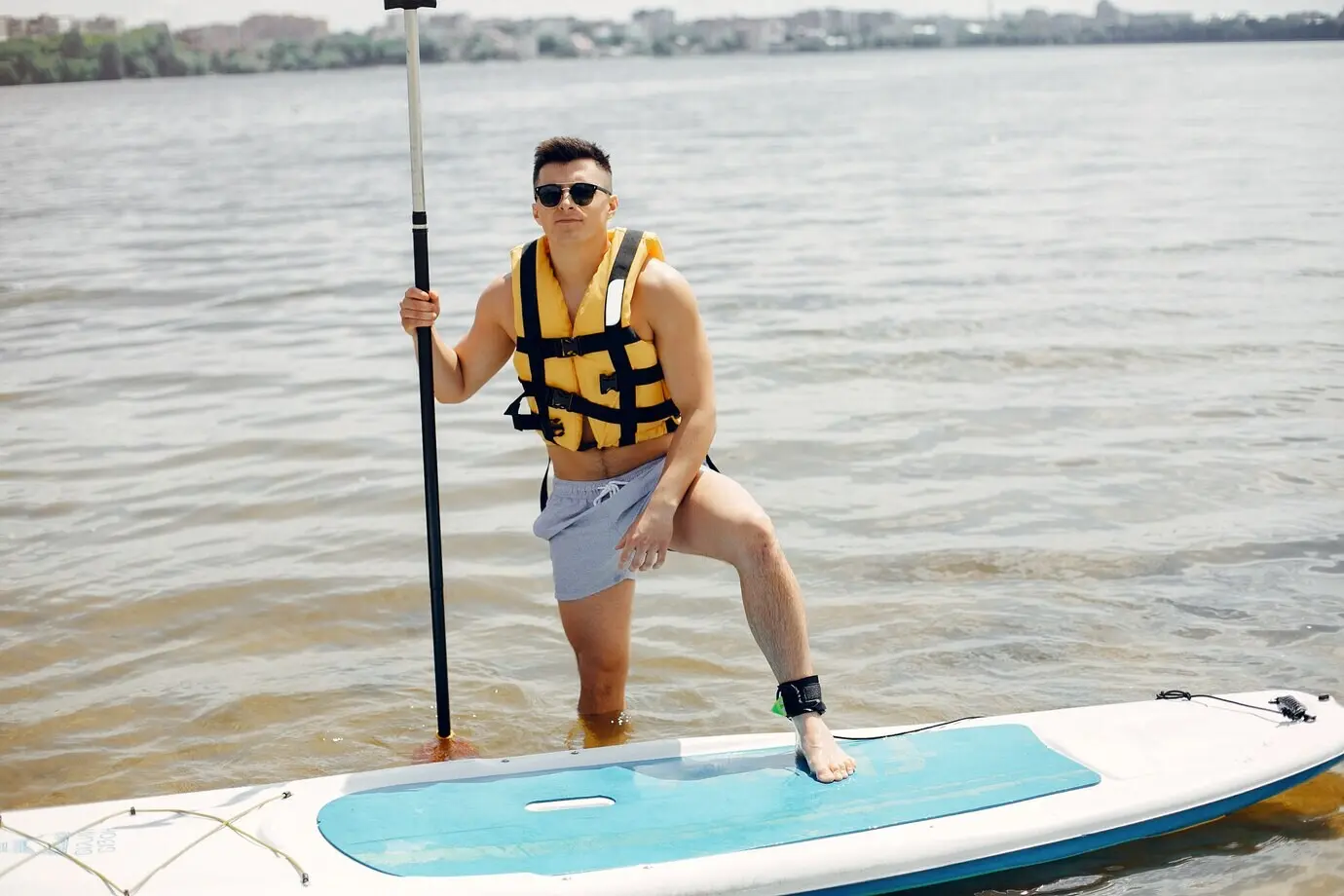
Lighthouses become more than scenery when you use them as dependable waypoints, timing markers, and morale anchors. Learn to integrate visible ranges, horn characteristics, and sector colors with coastal charts, tide tables, and current atlases. Plan legs that protect energy, identify alternate landings, and keep the group within communication range. Share your own strategies in the comments so others can benefit, and subscribe to receive our printable planning template for beacon-based navigation and evening trip debriefs.
Reading Nautical Charts and Light Lists
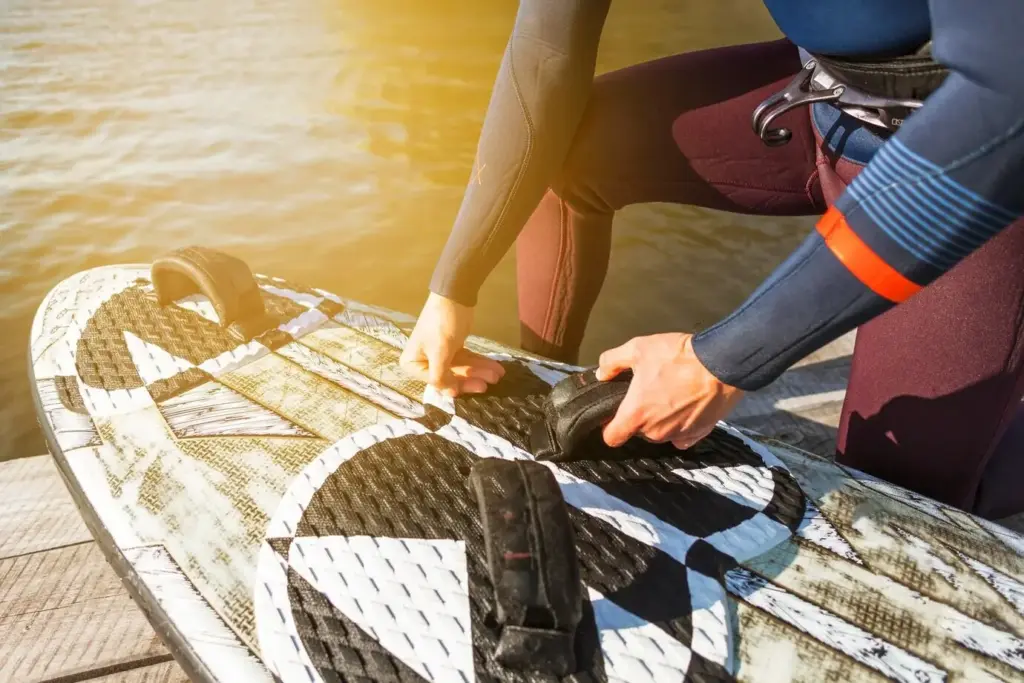
Treat charts as living narratives, not flat pages. Cross-check light heights, range, and characteristic codes with your Light List, then align those with topographic cues like headlands and channels. Mark danger bearings, ferry routes, and submerged hazards. Keep backups: laminated route strips, compass bearings on deck, and a preloaded offline chart app. Invite partners to verify fixes aloud, strengthening shared situational awareness while reinforcing disciplined, stress-resistant navigation habits.

Tidal Windows, Currents, and Crossing Strategy
Tide gates near headlands can compress options quickly; plan conservative departure windows that stack the odds. Use current arrows and station data to estimate ferry angles, then pre-brief escape routes if winds stack waves against flow. Shorten crossings by skirting lee shores and exploiting eddies. On multi-day trips, fatigue compounds judgment, so build generous margins. After the journey, post your timing notes for fellow paddlers to refine their own coastal schedules and estimates.
Camps That Breathe Salt Air
{{SECTION_SUBTITLE}}
Selecting Landings Near Beacons
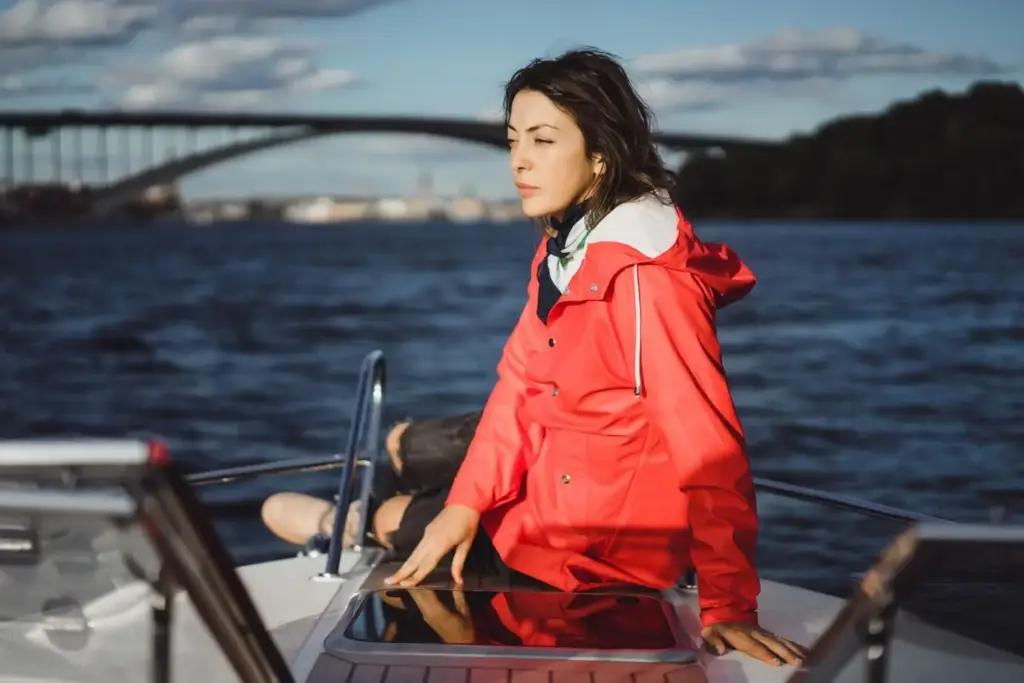
Approach landings with a plan for swell sets, reflected chop, and slippery weed. Identify haul-out points above wrack lines before committing, and stage loads efficiently to minimize trampling. When possible, avoid culturally sensitive or signed restoration zones. If the lighthouse grounds are open, greet volunteers, ask about local conditions, and thank them for stewardship. Post-trip, share waypoints, photos of approach angles, and notes on surge levels so others can arrive prepared and considerate.
Leave No Trace on Fragile Dunes and Islands
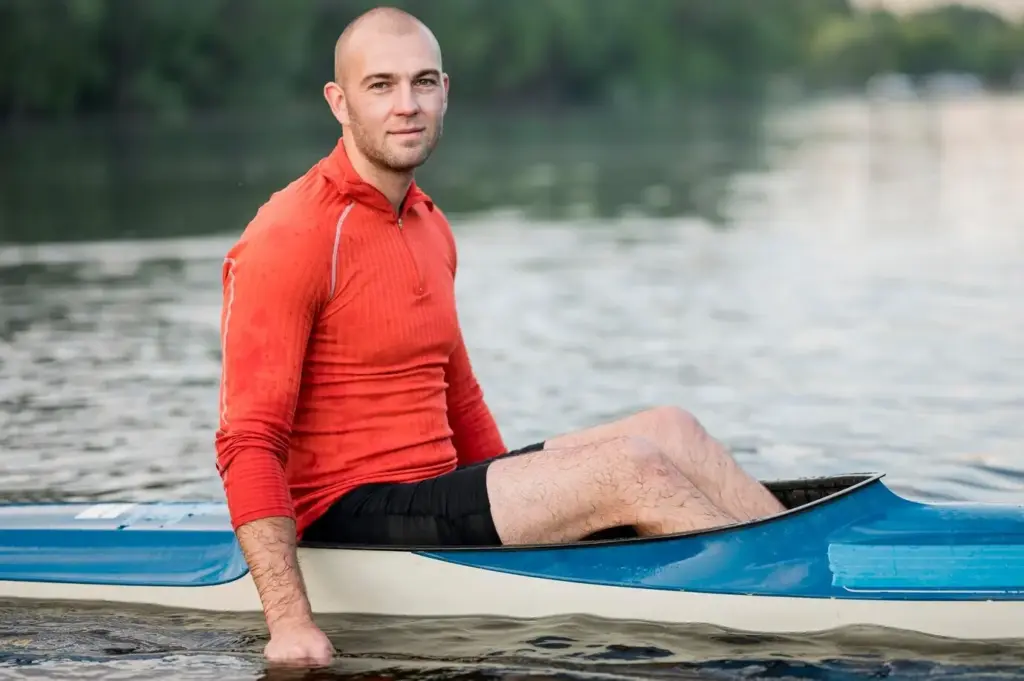
Dune grasses anchor entire shorelines; one careless shortcut can unravel years of restoration. Use existing paths, cook on durable surfaces, and pack out micro-trash, including tea leaves and food residues. Silence amplifies seabird rookeries; set quiet hours that honor wildlife and neighbors. If fires are permitted, keep them small, contained, and completely cold. Document positive examples—like brush-mat trails or boot-wash stations—so readers can advocate for similar improvements on their home coasts.
Kayak Fit, Bulkheads, and Deck Layout
A snug cockpit translates to confidence in beam seas. Bulkheads must be watertight, and hatch covers deserve periodic dunk tests. Secure pumps, split paddles, and flares where you can reach them upside down. Mount deck lines where gloves grip easily, and color-code drybags so partners can fetch items without chaos. Photograph your final layout at home and on day three; comparing images reveals what drifts, loosens, or consistently gets buried under nonessentials.
Sleeping Warm When the Wind Moans
Along open coasts, warmth is a system, not a single bag. Pair a high-R pad with a moisture-resistant quilt or bag, plus a vapor barrier liner for damp stretches. Vent tents strategically to curb condensation while anchoring with long sand stakes. Prioritize dry sleep clothes in a dedicated bag. Morning morale starts with warm hands, so pre-stage mitts and a windproof layer by the vestibule. Share your favorite wind-tested setups and small comforts that transform restless nights.
Water, Food, and Fuel Logistics
Salt horizons make freshwater planning decisive. Cache water at known landings when allowed, carry flexible bladders to balance trim, and consider compact filters for brackish sources with caution. Favor calorie-dense, craveable meals that thrive in wind and time pressure. Use transparent fuel tracking and pad your estimate for fog delays. Publish your meal plan and honest leftovers tally after trips; these notes help others right-size portions and fuel mixes for real-world coastal appetites.
Boats, Kits, and Reliability Offshore
Reliability matters when rocky ledges and tide races frame your days. Choose kayaks with trustworthy bulkheads, forgiving secondary stability, and deck layouts that keep essentials within reach. Dry storage and redundancy beat ultralight minimalism when cold spray and changing forecasts meet. Build kits around realistic repair scenarios, including skeg lines, pump seals, hatch gaskets, and tow belts. Share your packing lists and refinements, then subscribe to access our evolving lighthouse-coast gear checklists and field-tested repair guides.
Stories from the Lantern Room
{{SECTION_SUBTITLE}}
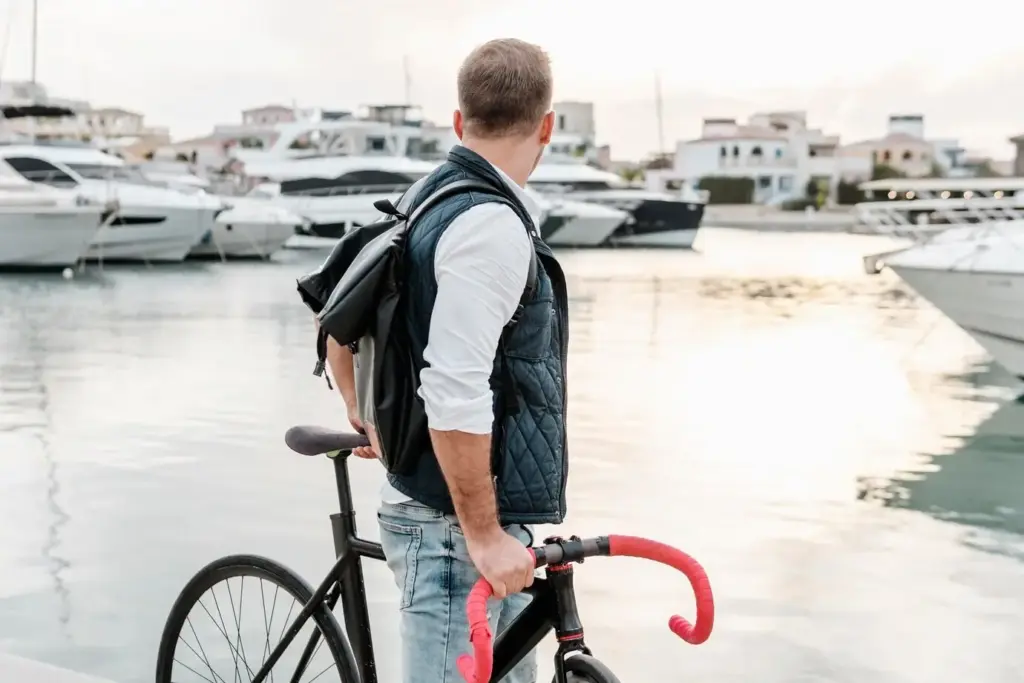
The Night the Horn Saved Our Crossing
A bank of fog rolled in faster than forecast, swallowing our headland. We tightened spacing, switched to compass discipline, and counted horn intervals as if they were metronomes of courage. Each mournful blast confirmed drift and bearing, buying calm breaths for the group. Landfall arrived as a dim loom of light, and we exhaled collectively. That evening, gratitude tasted like hot soup, and our debrief captured procedures we still practice today.
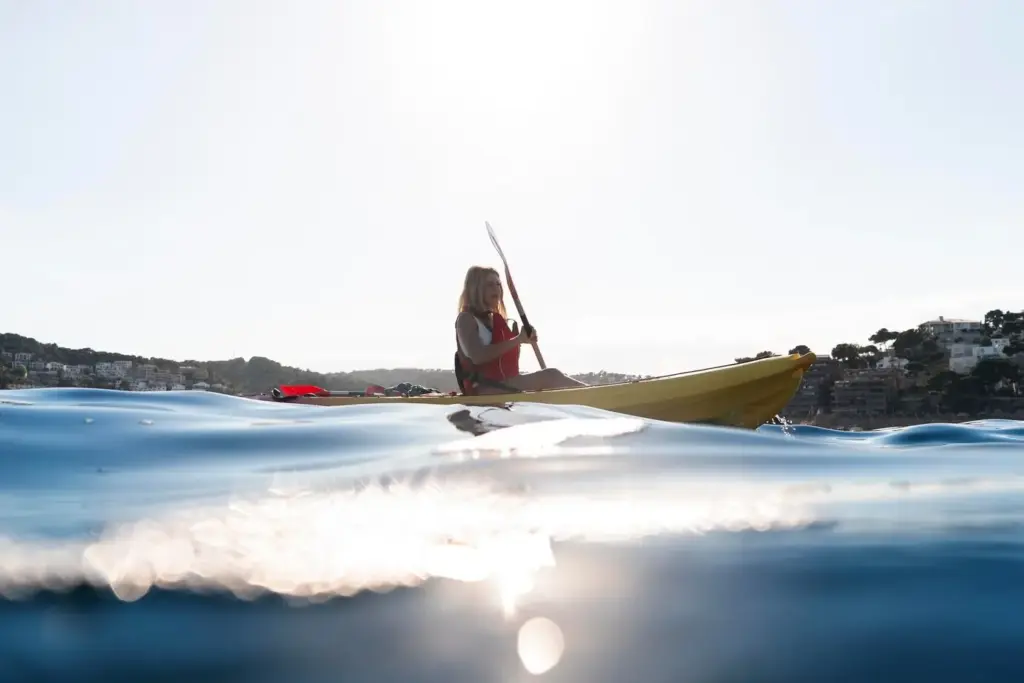
A Keeper’s Tale Shared Over Driftwood Fire
After landing below a white tower, a retired keeper wandered down with stories of storms, lamp oil, and radio checks that stitched distant boats into family. He taught us a local wind riddle and a shortcut across a back-eddy. We gifted batteries and trash bags, he gifted perspective. The fire burned low, gulls settled, and our group absorbed the truth: courtesy and curiosity open doors no guidebook can ever mark clearly.
Iconic Circuits to Inspire Your Paddle
Maine’s Bold Coast and Granite Guardians
From Quoddy Head’s candy-cane sentinel to headlands where cliffs guard cobble beaches, this route threads powerful tides and cold water. Fog is frequent, landings are selective, and rewards are immense: whales, sea ravens, and star-salted nights. Camp only where permitted, and calibrate daily distances to tide gates. Submit your favorite eddy lines and protected lunch rocks; your intel shortens the learning curve for paddlers tackling this austere, breathtaking stretch responsibly.
San Juan Islands and the Salish Sea Sentinels
Kelp forests, orcas, and complex currents define these passages. Point Wilson and Cattle Point lights bracket waters where wind-against-tide teaches humility. Pack charts for Canadian border nuances and seasonal camping rules. Expect ferry wakes, playful seals, and sudden fog. Harmonize paddling with slack windows, and linger for sunset silhouettes against mountain backdrops. Share campsite reservations tips, water sources, and crossing strategies so newcomers can navigate both logistics and magic with equal confidence.
Apostle Islands Sea Caves and Lights
Lake Superior behaves like an ocean, with icy water, fast mood swings, and sturdy beacons. The sea caves sing when swell aligns, rewarding patient forecasts and strong bracing skills. Sandspits tempt hasty landings—watch shifting shoals and long fetch. Bring extra layers and redundant fire starters. Respect closures protecting nesting birds and historic structures. Afterward, upload your wind logs, cave-safe approach photos, and emergency pullout notes to support safer exploration across this legendary freshwater archipelago.
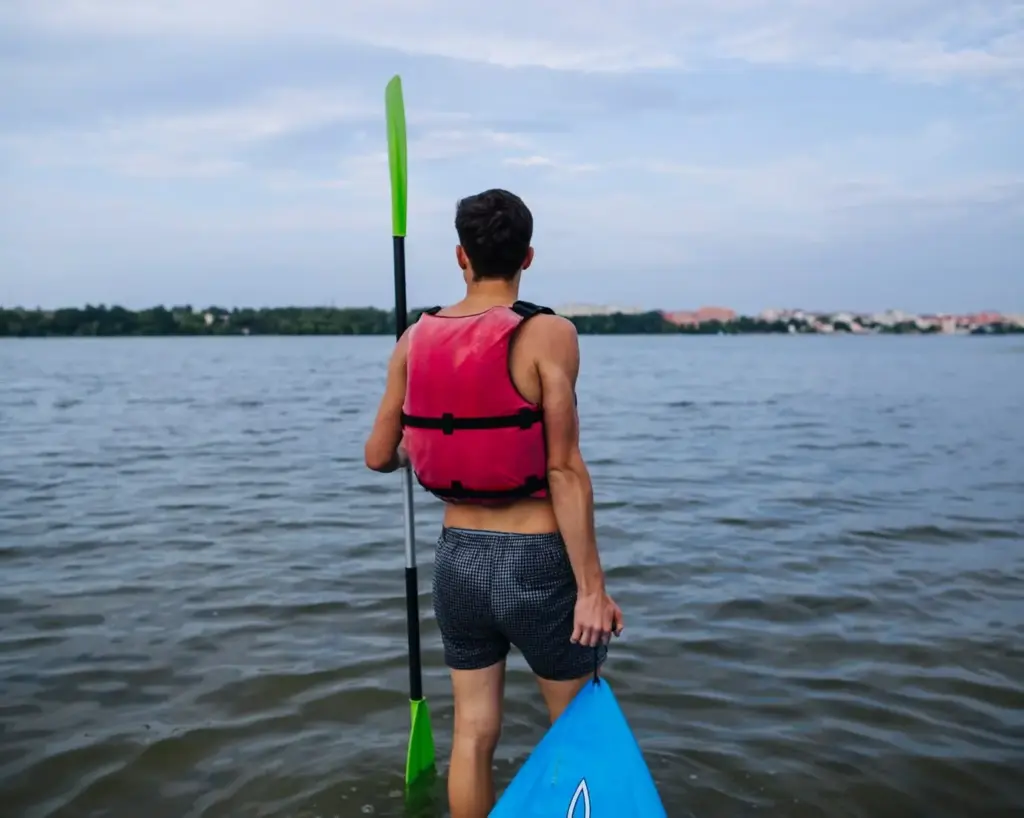
Safety, Seamanship, and Group Rhythm
Sustained safety arises from habits practiced every hour, not heroics. Pre-brief contingencies, designate roles, and embrace turn-around criteria that are actually used. Hydration, nutrition, and pacing keep skills available when they matter most. Evening debriefs harvest lessons without blame. Invite your crew to co-own risk decisions, and share your protocols with our readers. Subscribing unlocks updated checklists and printable cue cards for communication, rescues, and fatigue management during long, lighthouse-guided days.

All Rights Reserved.